Assess
Inventory systems, identities, and the data they touch. Rank what would stop the business if it leaked or locked.

Cybersecurity & data protection
8071 Holdings builds specific protection around client records, financial files, identities, and the systems that hold them — then watches those controls so they keep working. That watch includes AI security models on duty 24/7.
Services
The offering is cybersecurity, narrowed to the controls that keep sensitive data available to the right people and closed to everyone else.
Engineered models that stay on duty day and night, blocking system penetration attempts and neutralizing viruses on the systems they cover.
How the models are built → 01Firewalls, endpoint protection, patching, and continuous watch for malware, ransomware, and suspicious sign-ins.
Explore cybersecurity → 02The scalable core: know what data you hold, who can reach it, how it is encrypted, and how it is recovered.
Explore data protection → 03Ongoing monitoring, maintenance, and a desk your team can call before a small issue becomes an outage.
Explore managed security → 04Practical assessments for HIPAA, PCI DSS, and internal standards — gaps ranked by what would actually hurt.
Explore compliance → 05A written path for suspected breach, ransomware, or lost access: contain, communicate, restore, and learn.
Explore response → 06Representative engagements across legal, care, and professional firms that needed tighter control of their files.
Read case studies →Field Services Division
Cybersecurity stays the program above. Field services is its own division: computer repair, network cabling, and IT support. The full scope is on the next page.
Slow PCs, broken screens, bad drives, and viruses — repaired so people can work again.
See the detail → 02Ethernet, racks, and clean closets so desks, phones, and Wi-Fi stay connected.
See the detail → 03Remote or on-site help for sign-in, mail, new computers, printers, and the office network.
See the detail →AI security models
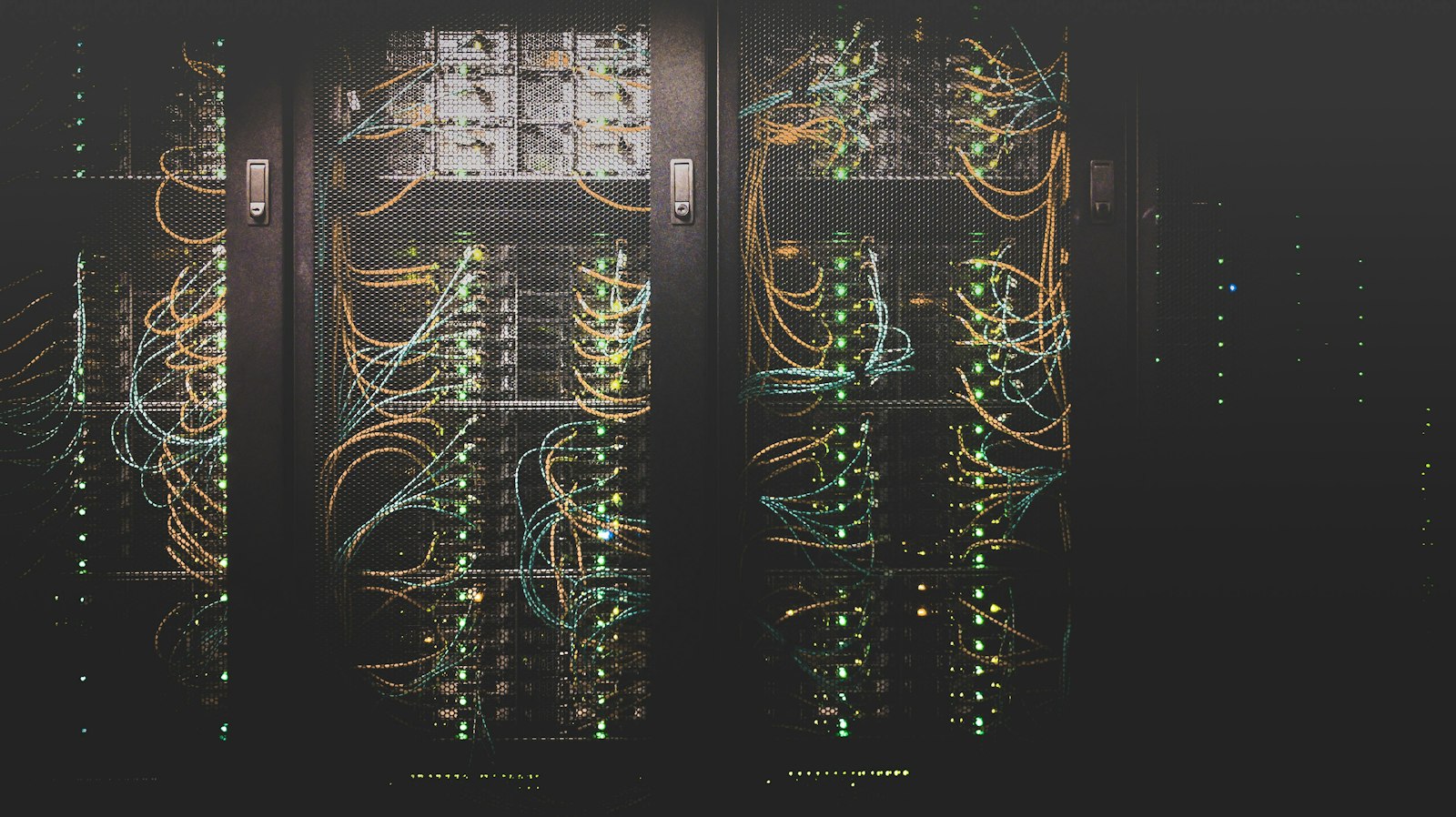
8071 Holdings builds AI security models around the systems a firm actually runs. They stay on duty 24/7, blocking system penetration attempts and neutralizing viruses before those threats move through mail, endpoints, and shared files.

The concept that scales
Most security menus are a pile of tools. 8071 Holdings starts from the records that matter — contracts, patient or client files, payroll, mail, and backups — and builds controls that can grow from one office to many without being redesigned.
Method
We do not drop a product list on a first call. The sequence stays the same whether the environment is ten people or a hundred.
Inventory systems, identities, and the data they touch. Rank what would stop the business if it leaked or locked.
Close the obvious doors: accounts, firewalls, email security, device control, and backup design.
Watch for failed logins, malware, unprotected endpoints, and backup jobs that quietly stop.
Practice restore. When an incident happens, the plan names who decides, who speaks, and what comes back first.
Where it fits
Professional practices feel the cost of a breach in trust, not only in downtime.
Matter files, client correspondence, and privileged work product stay with the people assigned to the work.
Access to records is logged, devices are controlled, and backups are tested.
Identity, mail, and shared files are treated as one security surface.
Case studies

Shared drives, personal mail, and a firewall no one had reviewed in years.
Read the study →
A clinic group needed tighter identity control without slowing the front desk.
Read the study →
Phishing and overshared folders were the real risk, not the office Wi-Fi.
Read the study →From the desk
They did not sell us a platform. They told us which three systems held client data, fixed access, and showed us a restore that actually opened.
Questions
Identities, endpoints, email, networks, and the data stored in them. The emphasis is data protection: who can open sensitive files, how those files are copied, and how fast they can be recovered.
No. The program is designed for small and mid-sized organizations that depend on computers, cloud mail, and shared files but do not keep a full security team in-house.
Yes. Incident response starts with containment: accounts, devices, and backups. We separate urgent stabilization from the longer hardening work.
They are built for your environment and left on watch 24/7. They block penetration attempts — unusual remote access, repeated failed sign-ins, traffic that does not belong — and neutralize viruses by isolating a bad file or host before it spreads. A person still owns the response.
We can stand beside an internal admin or cover the security layer they do not have time to run. Managed security is ongoing care, not a one-time cleanup.
A briefing is a working conversation: what you store, where it sits, and which control should come first.
Tell us what you need to protect. We reply within one business day.